
Autopilot in the A220: A Leap Forward in Automated Flight
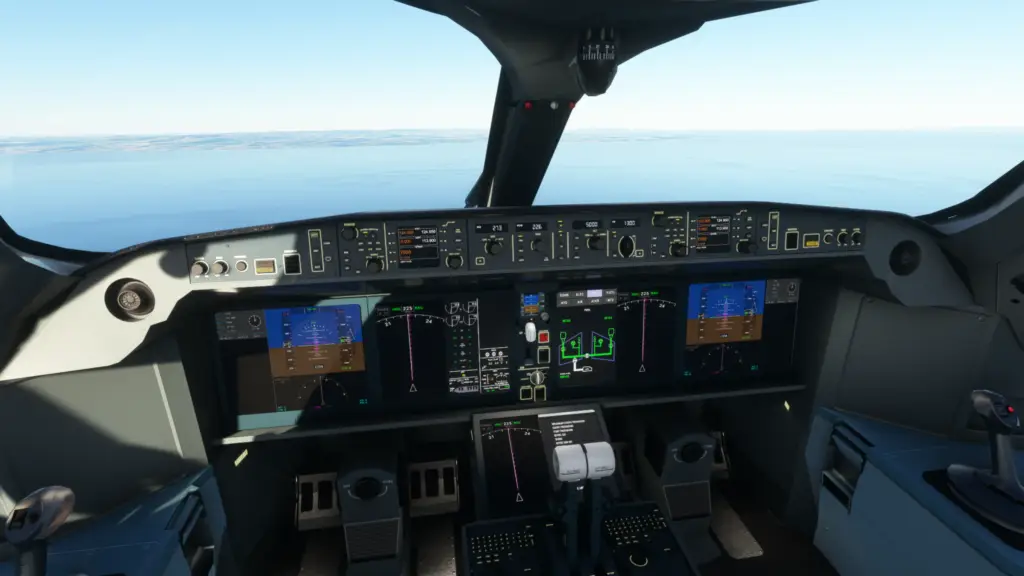
Throughout aviation history, autopilot systems have been at the heart of progress toward safer and more efficient flight. From the early days of mechanical gyroscopes to the sophisticated flight management computers of today, these systems have continually evolved to reduce pilot workload, improve accuracy, and enhance overall flight safety. The Autopilot in the A220 stands […]
Airbus A220 Automatic Flight Control System: Precision and Safety in Modern Aviation
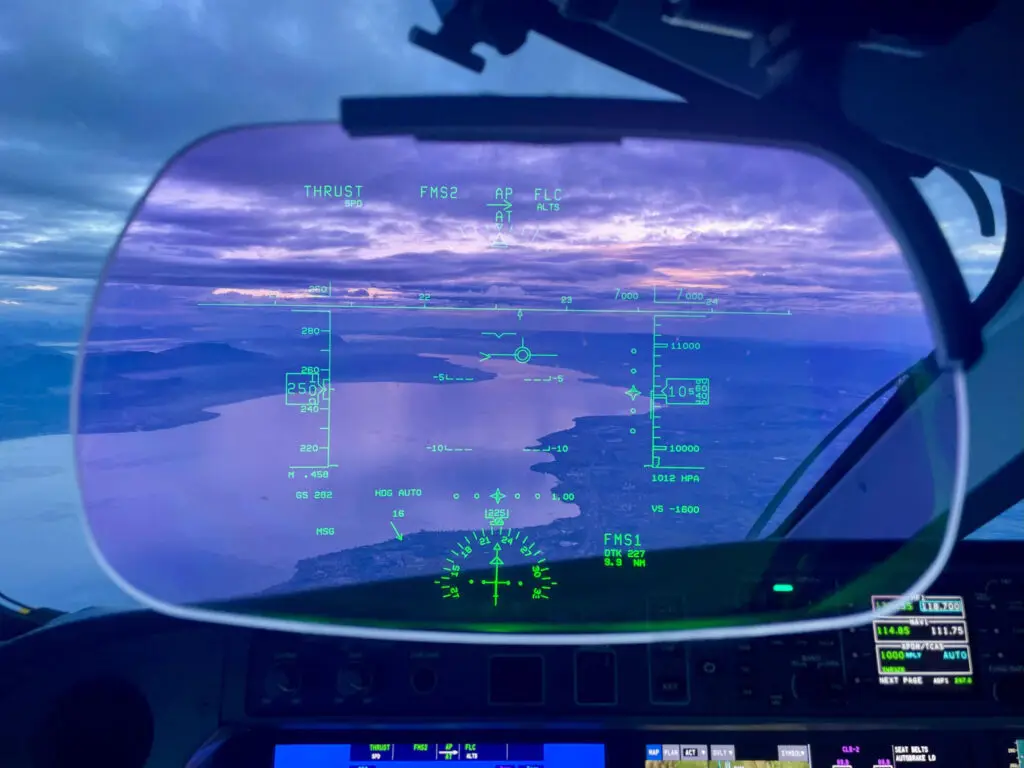
The Airbus A220 Automatic Flight Control System (AFCS) represents a significant advancement in modern aviation, offering pilots increased precision, reduced workload, and enhanced safety. In this article, we explore the historical development of automatic flight control systems, the features and benefits of the A220’s AFCS, and its role in shaping the future of aviation. A […]
SELCAL System in the Boeing 767: Enhancing Long-Distance Communication
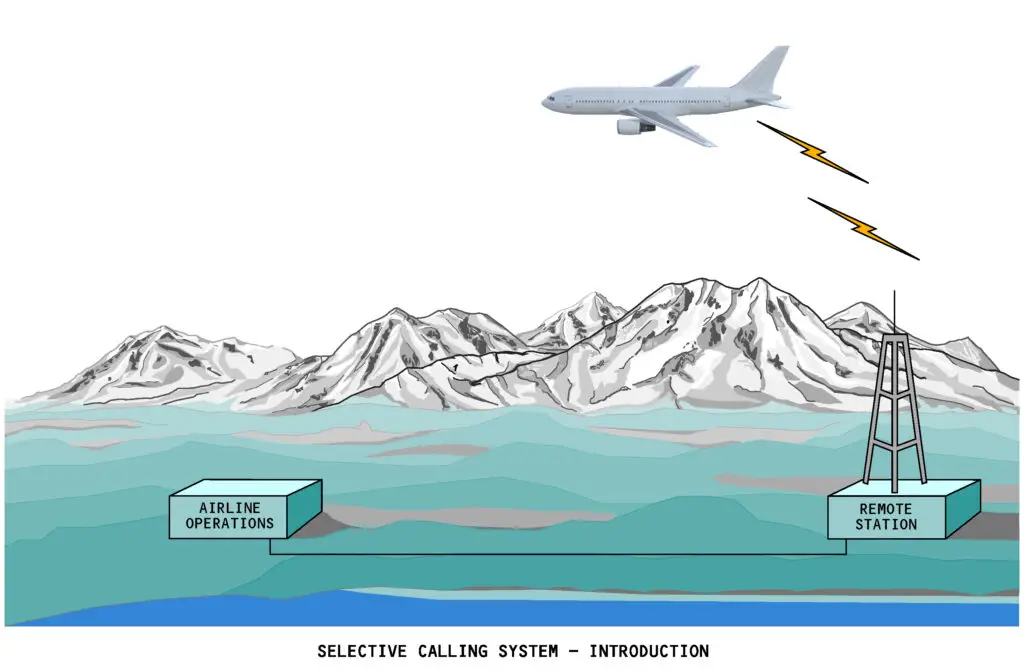
Introduction: The Evolution of SELCAL in Aviation Selective Calling (SELCAL) has played a critical role in aircraft communications for decades. Before its introduction, pilots were required to continuously monitor radio frequencies for incoming messages—a demanding task, especially on long-haul flights. SELCAL revolutionized this by allowing ground stations to directly alert flight crews when communication was […]
Boeing 767 Electrical & Electronic (E/E) Cooling Smoke Detection System
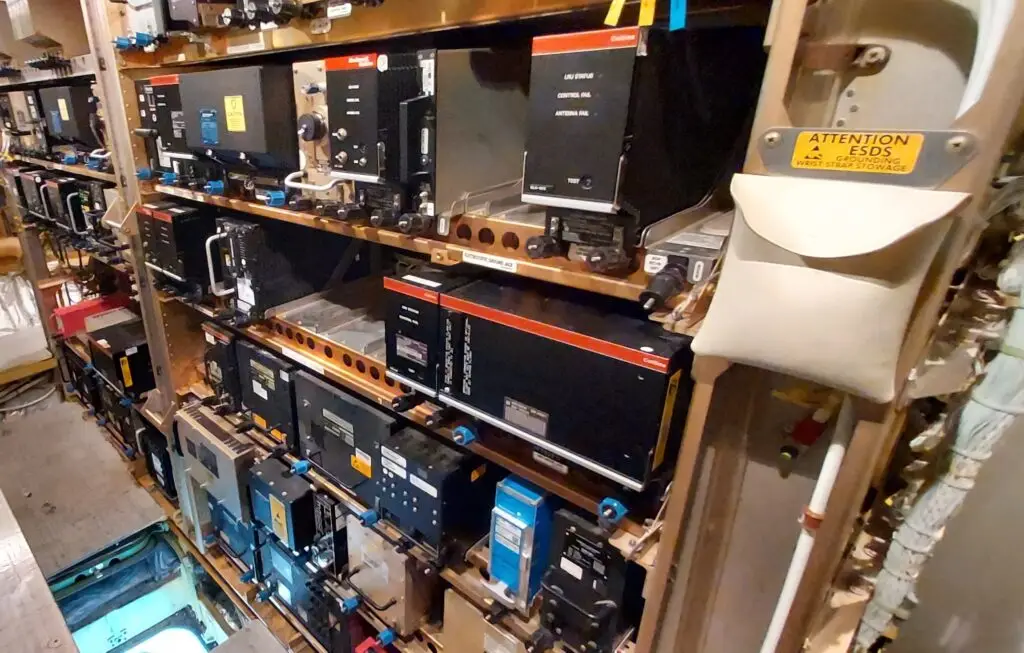
Introduction The Boeing 767 E/E Cooling Smoke Detection is critical for maintaining the functionality of the aircraft’s avionics. These systems prevent overheating in avionics bays, ensuring stable operation of navigation, communication, and flight management systems. However, electrical fires and smoke hazards present significant risks, making effective smoke detection systems an essential safety feature. The aviation […]
Boeing 767 Cargo Compartment Smoke Detection: Enhancing Fire Safety

Introduction Aircraft cargo holds present a significant fire risk due to the presence of lithium batteries, flammable materials, and other hazardous goods. The ability to detect smoke early is crucial in preventing onboard fires. The Boeing 767 is equipped with an advanced cargo compartment smoke detection system, designed to provide rapid alerts to the flight […]
Boeing 767 Engine Fire Detection: Safeguarding Flight Operations

Introduction Fire detection in aircraft engines has evolved dramatically over the decades, driven by real-world incidents and technological advancements. The ability to detect and respond to an engine fire within seconds is critical for preventing catastrophic failures. The Boeing 767 is equipped with a highly reliable engine fire detection system, designed to provide immediate alerts […]
AUTOPILOT FLIGHT DIRECTOR SYSTEM ON THE BOEING 757
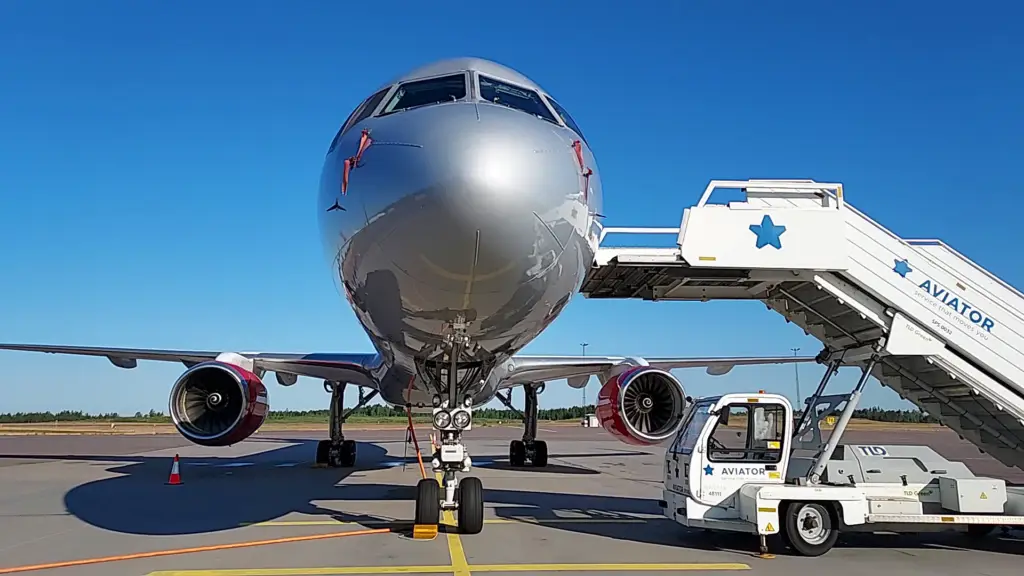
A Legacy of Precision: The Evolution of Autopilot Systems Autopilot systems have come a long way since their origins in the early 20th century. Early designs could only maintain heading or altitude using gyroscopic feedback. As aviation evolved, so did the complexity of these systems—incorporating pitch, roll, yaw control, and eventually becoming integrated with navigation […]
The Boeing 747-8F Landing Gear System: Engineering Excellence in Aviation

The Boeing 747-8F, a marvel of modern engineering, boasts an innovative landing gear system designed to support the colossal weight and operational demands of this iconic freighter. To appreciate this feat, let’s explore the evolution of aircraft landing gear systems, leading to the advanced design of the 747-8F. A Brief History of Aircraft Landing Gear […]
Boeing 777 Fuel Jettison System: Ensuring Safe Landings

The Boeing 777, one of the most widely used long-haul aircraft, is equipped with several sophisticated systems to ensure its safe operation. Among these, the fuel jettison system plays a vital role in situations where the aircraft must reduce its weight rapidly for a safe landing. The Boeing 777 fuel jettison system is crucial for […]
Understanding the Defuel System of the Boeing 777

The Boeing 777 is equipped with an advanced fuel management system to support both efficient fueling and defueling operations. The defuel system, which allows fuel to be moved from the airplane tanks to a refuel station or from one tank to another, plays a crucial role in maintaining the operational flexibility of the aircraft. In […]
Understanding the Pressure Refuel System of the Boeing 777

The Boeing 777, one of the most popular long-haul aircraft, employs sophisticated fuel management systems to ensure efficient operation. Among these systems, the pressure refuel system plays a critical role in ensuring the rapid and safe refueling of the aircraft. This blog post delves into the pressure refuel system of the Boeing 777, exploring its […]
The Boeing 737 Hydraulic System: Powering Precision and Safety in Aviation

Introduction Hydraulic systems are vital to modern aviation, providing the power needed for essential aircraft operations such as landing gear, flight control surfaces, and braking systems. The Boeing 737, one of the most successful commercial aircraft, relies heavily on a well-engineered hydraulic system for its reliable and efficient operations. In this post, we will explore […]
Air Conditioning Distribution System in the Boeing 787: Efficiency and Comfort in the Skies

The Boeing 787 Air Conditioning Distribution System The Boeing 787 Dreamliner is renowned for its advanced technologies, designed to enhance passenger comfort while maximizing operational efficiency. A key component of this experience is the air conditioning distribution system, which ensures a comfortable cabin environment regardless of external conditions. In this blog post, we will explore […]
Embraer E170/E190 Pressurization System: A Detailed Overview

Embraer E170/E190 Pressurization System Overview Embraer E170/E190 pressurization system is a crucial aspect of ensuring passenger comfort and safety during high-altitude flights. Designed to maintain optimal cabin pressure, the Embraer E170/E190 pressurization plays a vital role in preventing altitude-related discomfort and ensuring that passengers and crew enjoy a safe journey. In this blog post, we […]
How an Air Conditioning Pack and Air Cycle Machine Work in Aircraft

Understanding the Air Conditioning Pack and Air Cycle Machine In modern aircraft, maintaining a comfortable cabin environment is crucial for passenger comfort and safety. The air conditioning pack and air cycle machine are key components in an aircraft’s environmental control system that work together to regulate cabin temperature and air pressure. In this blog post, […]
The Boeing 787 Bleedless System: A Revolutionary Approach to Aircraft Efficiency

The Boeing 787 Bleedless System Architecture The Boeing 787 Dreamliner stands out as a technological marvel in the aviation world, thanks to its innovative bleedless system. Unlike traditional commercial aircraft that use engine bleed air to supply the environmental control systems, the Boeing 787 has adopted a revolutionary bleedless architecture, which brings significant improvements in […]
The Role of the Equipment Cooling System in the Boeing 787

Introduction to the Boeing 787 Equipment Cooling System The Boeing 787 Dreamliner is a technologically advanced aircraft that utilizes several sophisticated systems to ensure safe and efficient operations. One such critical system is the equipment cooling system, which plays a key role in maintaining the optimal temperature of electronic components throughout the aircraft. In this […]
Embraer E170/E190 Air Conditioning System: A Comprehensive Guide

Exploring the Embraer E170/E190 Air Conditioning The Embraer Embraer E170/E190 air conditioning system system is a crucial component for ensuring passenger comfort and safety, especially during high-altitude flights. Designed with efficiency and reliability in mind, the Embraer E170/E190 air conditioning maintains a comfortable cabin environment by regulating temperature, humidity, and air pressure. In this blog […]
The Evolution of Fly-by-Wire: Transforming Aircraft Control Systems

In modern aviation, few innovations have had as profound an impact as fly-by-wire (FBW) technology. From its early experimental stages to becoming the standard for today’s commercial and military aircraft, fly-by-wire represents a fundamental shift in how pilots interact with their aircraft. As a control system that replaces traditional mechanical linkages with electronic interfaces, FBW […]
The Airbus A320ceo: A Proven Performer in Aviation

The Airbus A320ceo (current engine option) has become one of the most iconic aircraft in commercial aviation, showcasing Airbus A320ceo performance. Since its introduction, Airbus A320ceo performance has redefined efficiency, passenger comfort, and operational versatility, making it a favorite among airlines, charter services, and even private users. The A320ceo performance has made it a reliable […]