
Bringing a widebody aircraft to a stop is one of the most demanding phases of flight. At landing weights that can exceed 300 tonnes, the energy absorbed by the braking system is enormous. The Autobrake and Antiskid System in the Boeing 747-400 is designed to manage that energy precisely, automatically, and safely—whether during a routine landing or a high-speed rejected takeoff.
In the earliest days of aviation, braking was mechanical and rudimentary. Pilots applied simple friction brakes through cables and levers, and wheel skids were common. As aircraft became heavier and faster, the risks increased. Locked wheels could burst tyres, reduce directional control, or lengthen stopping distance. Engineers responded with hydraulic braking systems, followed by the introduction of antiskid technology in the mid-twentieth century. Borrowing principles from automotive anti-lock braking systems, antiskid systems allowed aircraft wheels to continue rotating while still generating maximum braking force.
By the time the Boeing 747-400 entered service, braking technology had evolved into an integrated hydraulic and electronic control system. The Autobrake and Antiskid System in the Boeing 747-400 combines hydraulic brake power with digital monitoring and automatic pressure control to deliver consistent deceleration under widely varying runway conditions.
At its core, braking force is generated hydraulically. When the pilot presses the brake pedals, hydraulic pressure is metered to the brake units installed on each main landing gear wheel. However, pedal input alone is not enough to guarantee optimal braking. Wheel speed sensors continuously monitor rotational speed, feeding data to the brake control system. If a wheel begins to decelerate too rapidly—indicating an impending skid—the system automatically reduces hydraulic pressure to that brake. Once rotation stabilises, pressure is reapplied. This rapid modulation happens many times per second and is imperceptible to the crew.
The antiskid function is especially important on wet or contaminated runways. By preventing wheel lockup, it maintains tyre grip and directional control while maximising braking efficiency. It also protects tyres and brake assemblies from excessive wear or damage.
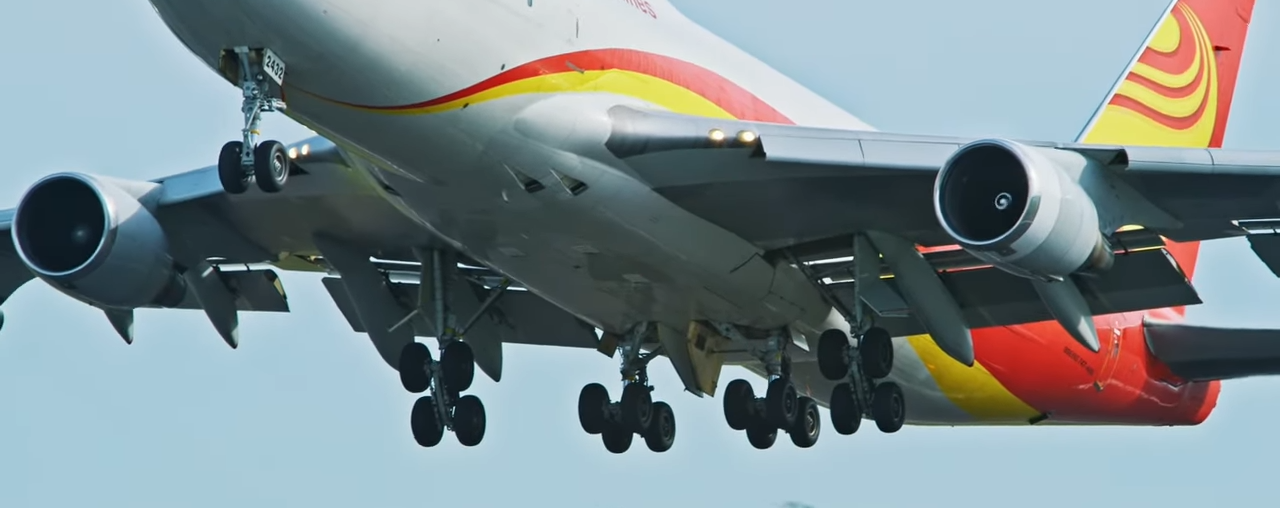
The autobrake function adds another layer of automation. Before landing, the crew can select a predetermined deceleration rate. Upon touchdown and wheel spin-up, the system automatically applies and modulates braking pressure to achieve the selected rate without further pilot input. This ensures consistent stopping performance and reduces workload during a busy landing phase.
One of the most dramatic applications of the Autobrake and Antiskid System in the Boeing 747-400 is Rejected Takeoff (RTO) mode. If a high-speed takeoff must be aborted, the RTO logic commands maximum braking automatically when thrust levers are retarded above a specific speed threshold. In this scenario, the system rapidly applies full braking force while antiskid protection prevents wheel lock. Given the kinetic energy involved at takeoff speeds, this capability is critical for safety.
The braking system also includes alternate sources of hydraulic power to ensure redundancy. Should one hydraulic system become unavailable, alternate brake sources maintain stopping capability. Brake accumulators provide stored hydraulic pressure for emergency or parking brake use, further reinforcing the aircraft’s layered safety design.
Another important aspect of the system is temperature monitoring. High-energy stops generate significant heat within the brake assemblies. Monitoring systems track brake temperatures and provide indications to the flight crew, helping prevent overheating and supporting safe turnaround operations.
Looking ahead, braking technology continues to evolve. Modern aircraft increasingly use carbon composite brake materials for improved durability and heat tolerance. Brake-by-wire systems, already introduced on newer aircraft types, further refine electronic control of braking pressure. These systems reduce weight and enhance integration with flight control computers.
Even so, the Autobrake and Antiskid System in the Boeing 747-400 remains a remarkable example of hydraulic and electronic integration. It manages immense forces with precision, protects the aircraft under extreme conditions, and ensures that one of aviation’s largest airliners can stop safely and predictably—flight after flight.


