
The Autobrake and Antiskid System in the Boeing 747-400: Stopping the Jumbo Safely

Bringing a widebody aircraft to a stop is one of the most demanding phases of flight. At landing weights that can exceed 300 tonnes, the energy absorbed by the braking system is enormous. The Autobrake and Antiskid System in the Boeing 747-400 is designed to manage that energy precisely, automatically, and safely—whether during a routine […]
The Hydraulic Power System in the Boeing 747-400: The Muscle Behind the Jumbo Jet

Modern widebody aircraft are often described as flying cities, packed with complex systems that must work flawlessly at 35,000 feet. Among the most essential of these is hydraulic power. The Hydraulic Power System in the Boeing 747-400 provides the immense physical force required to move flight control surfaces, extend landing gear, operate brakes, and support […]
The SATCOM System in the Boeing 747-400: Connecting the Jumbo Jet Beyond the Horizon

For much of aviation history, communication was limited by geography. Early aircraft relied on short-range radio systems that worked only when ground stations were within reach. As commercial air travel expanded across oceans and remote regions, the industry faced a challenge that could not be solved by conventional radio alone: how could an aircraft remain […]
The ACARS System in the Boeing 747-400: Digital Messaging Before the Internet Age
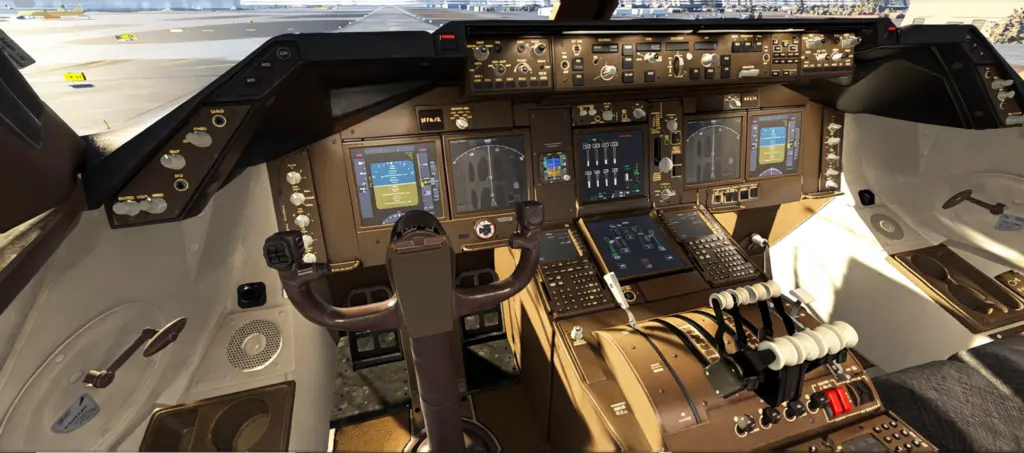
Before broadband connectivity and real-time aircraft tracking became normal, airlines were already sending digital messages between aircraft and ground stations. Long before passengers had Wi-Fi, the flight deck was quietly exchanging operational data across the globe. The ACARS System in the Boeing 747-400 represents one of the most important steps in aviation’s transition from voice-only […]
The VHF Communication System in the Boeing 747-400: The Aircraft’s Primary Voice Link
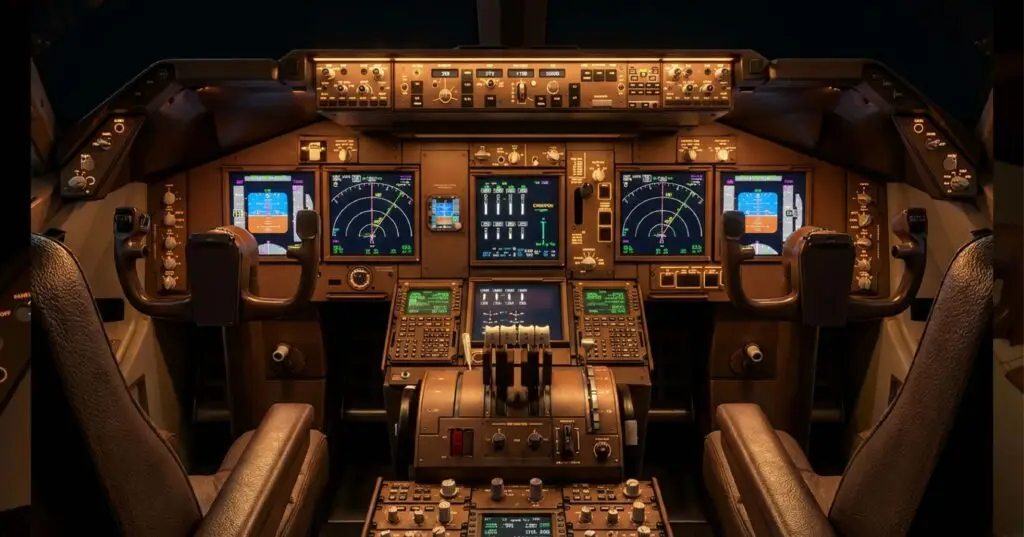
Few technologies have shaped modern aviation as profoundly as radio communication. Long before glass cockpits and satellite datalink, pilots depended on simple voice transmissions to navigate, coordinate, and remain connected with the world beyond the cockpit. The VHF Communication System in the Boeing 747-400 is a direct descendant of that early innovation, refined into one […]
Flight Interphone System in the Boeing 747-400
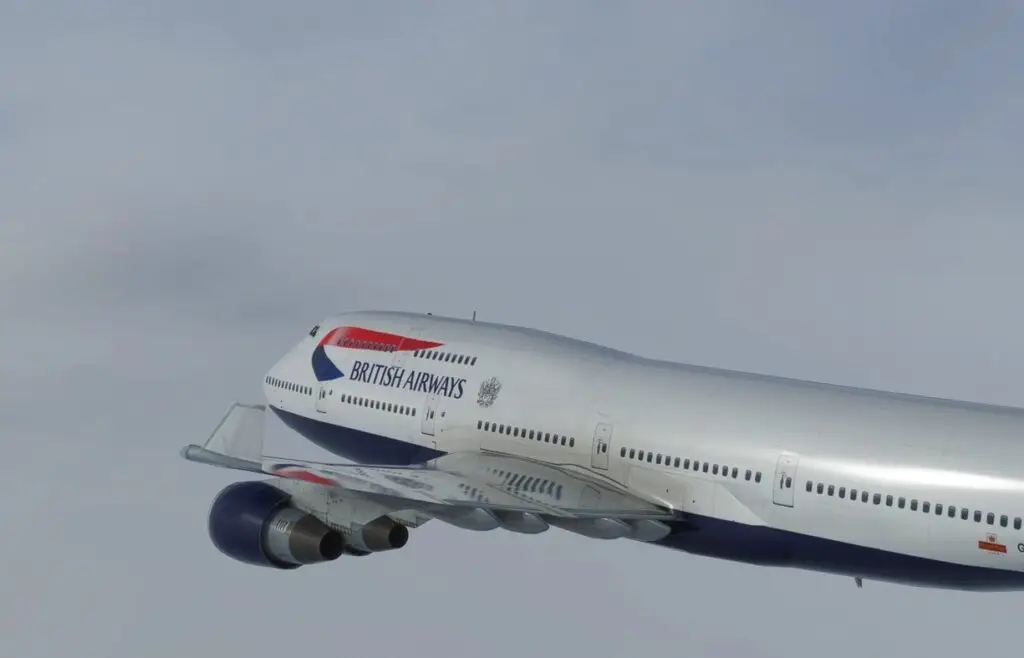
From the earliest days of aviation, communication has defined safety. In open cockpits, pilots shouted over engine noise. As aircraft grew larger and crews expanded beyond a single pilot, wired headsets and basic interphone circuits became essential. By the time long-range airliners like the Boeing 747 entered service, internal communication systems had evolved into highly […]
Understanding the Thrust Management System in Boeing 787 Dreamliner

The Thrust Management System in Boeing 787 represents a pivotal advancement in aviation technology, ensuring optimal engine performance, safety, and efficiency. Aviation history has seen significant strides in thrust management—from manual throttle controls in early propeller aircraft to sophisticated computer-controlled autothrottles in modern jetliners. Today’s thrust management systems exemplify decades of innovation, integrating seamlessly with […]
The Evolution and Role of the Standby Power System in the Boeing 787

The standby power system in the Boeing 787 has evolved significantly from early aviation systems. Initially, these systems consisted of basic battery packs intended only for emergency lighting and essential avionics during critical phases of flight. As aircraft grew more sophisticated, the requirements for robust standby power evolved significantly. Today, aircraft like the Boeing 787 […]
THRUST MANAGEMENT AND AUTOTHROTTLE FUNCTIONS ON THE BOEING 757

A Thrust of Innovation: From Manual Levers to Digital Precision In early jetliners, thrust control was entirely manual—pilots relied on gauges, muscle memory, and experience to set engine power. The development of autothrottle systems in the 1960s and 70s marked a major leap forward, reducing workload and improving performance, especially during climb, cruise, and approach. […]
Flight Data Recorder System in Boeing 747-8F: Past, Present, and Future
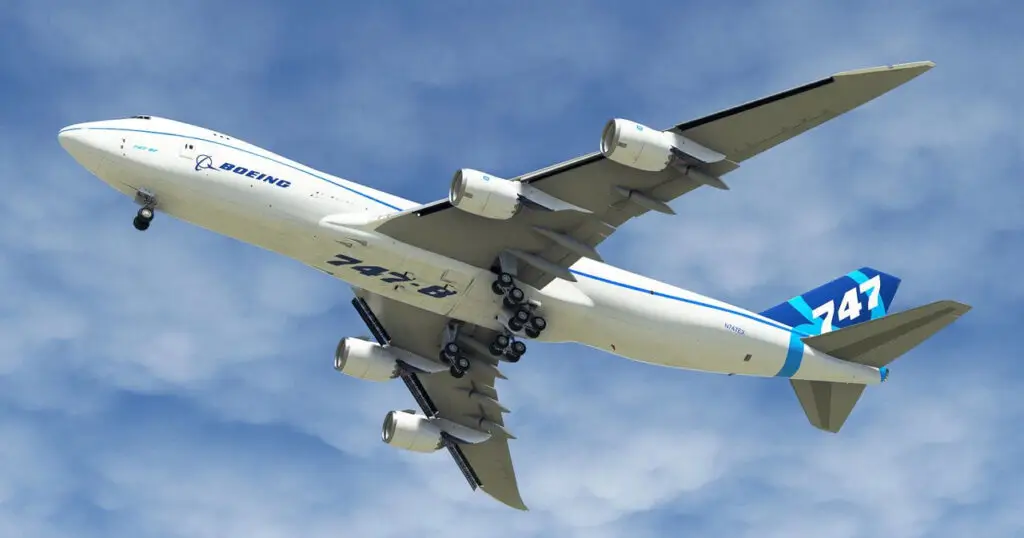
A Historical Perspective Flight data recorders, colloquially known as “black boxes,” have played an integral role in aviation safety since the 1950s. Developed initially to capture basic flight parameters for accident investigations, these devices have evolved significantly. Early systems were analog-based, recording data on magnetic tape. In the 1960s, the introduction of digital recording systems […]
SELCAL System in the Boeing 767: Enhancing Long-Distance Communication
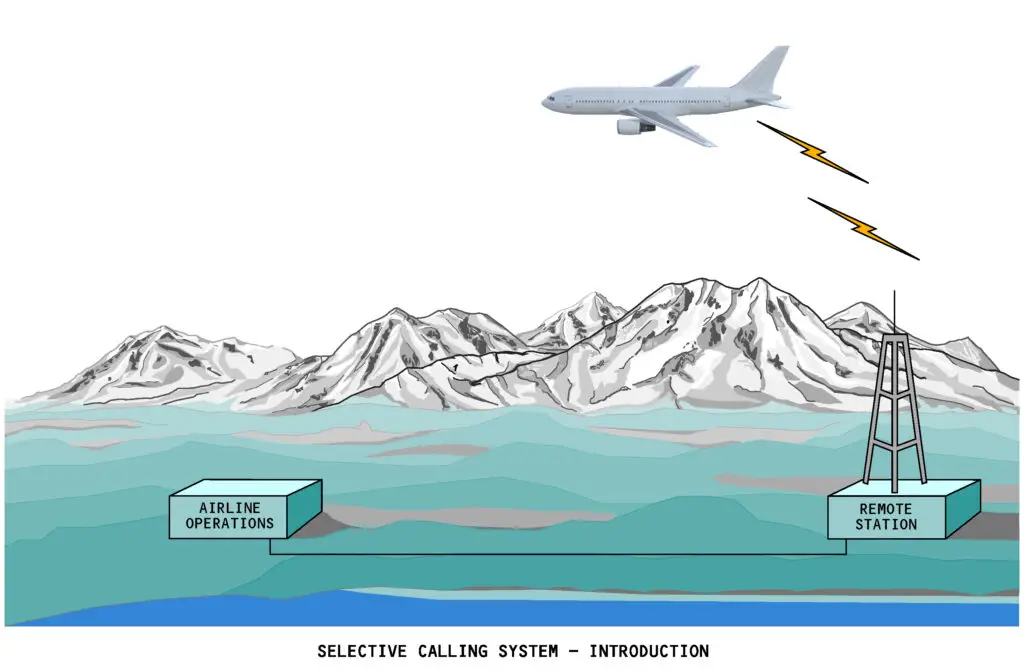
Introduction: The Evolution of SELCAL in Aviation Selective Calling (SELCAL) has played a critical role in aircraft communications for decades. Before its introduction, pilots were required to continuously monitor radio frequencies for incoming messages—a demanding task, especially on long-haul flights. SELCAL revolutionized this by allowing ground stations to directly alert flight crews when communication was […]
Boeing 767 Electrical & Electronic (E/E) Cooling Smoke Detection System
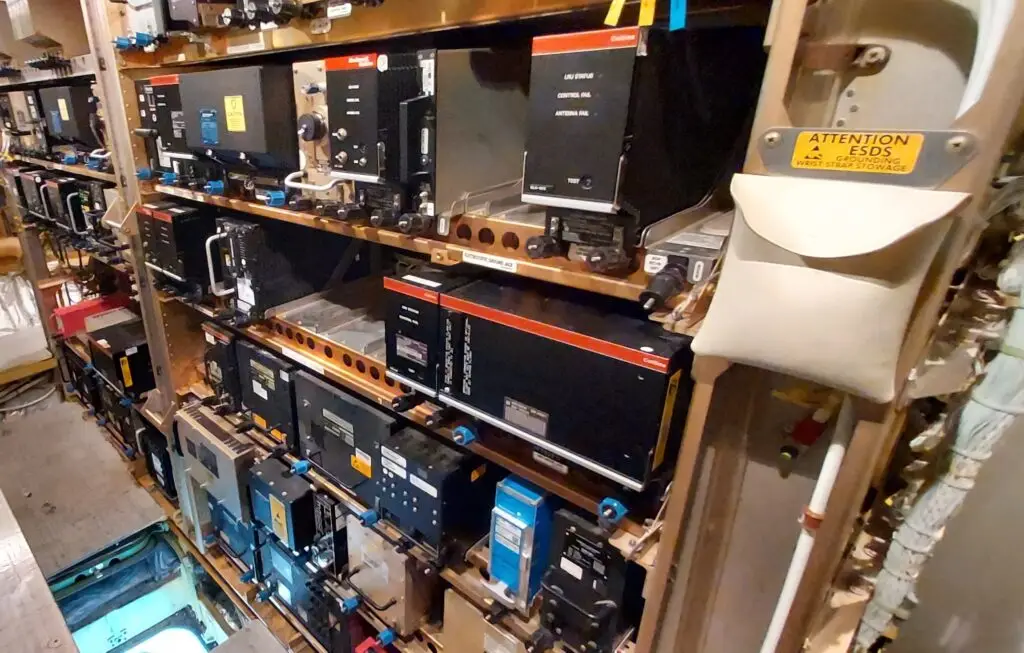
Introduction The Boeing 767 E/E Cooling Smoke Detection is critical for maintaining the functionality of the aircraft’s avionics. These systems prevent overheating in avionics bays, ensuring stable operation of navigation, communication, and flight management systems. However, electrical fires and smoke hazards present significant risks, making effective smoke detection systems an essential safety feature. The aviation […]
Boeing 767 Cargo Compartment Smoke Detection: Enhancing Fire Safety

Introduction Aircraft cargo holds present a significant fire risk due to the presence of lithium batteries, flammable materials, and other hazardous goods. The ability to detect smoke early is crucial in preventing onboard fires. The Boeing 767 is equipped with an advanced cargo compartment smoke detection system, designed to provide rapid alerts to the flight […]
Boeing 767 Engine Fire Detection: Safeguarding Flight Operations

Introduction Fire detection in aircraft engines has evolved dramatically over the decades, driven by real-world incidents and technological advancements. The ability to detect and respond to an engine fire within seconds is critical for preventing catastrophic failures. The Boeing 767 is equipped with a highly reliable engine fire detection system, designed to provide immediate alerts […]
The Boeing 747-8F Landing Gear System: Engineering Excellence in Aviation

The Boeing 747-8F, a marvel of modern engineering, boasts an innovative landing gear system designed to support the colossal weight and operational demands of this iconic freighter. To appreciate this feat, let’s explore the evolution of aircraft landing gear systems, leading to the advanced design of the 747-8F. A Brief History of Aircraft Landing Gear […]
Boeing 777 Fuel Jettison System: Ensuring Safe Landings

The Boeing 777, one of the most widely used long-haul aircraft, is equipped with several sophisticated systems to ensure its safe operation. Among these, the fuel jettison system plays a vital role in situations where the aircraft must reduce its weight rapidly for a safe landing. The Boeing 777 fuel jettison system is crucial for […]
Understanding the Defuel System of the Boeing 777

The Boeing 777 is equipped with an advanced fuel management system to support both efficient fueling and defueling operations. The defuel system, which allows fuel to be moved from the airplane tanks to a refuel station or from one tank to another, plays a crucial role in maintaining the operational flexibility of the aircraft. In […]
Understanding the Pressure Refuel System of the Boeing 777

The Boeing 777, one of the most popular long-haul aircraft, employs sophisticated fuel management systems to ensure efficient operation. Among these systems, the pressure refuel system plays a critical role in ensuring the rapid and safe refueling of the aircraft. This blog post delves into the pressure refuel system of the Boeing 777, exploring its […]
The Boeing 737 Hydraulic System: Powering Precision and Safety in Aviation

Introduction Hydraulic systems are vital to modern aviation, providing the power needed for essential aircraft operations such as landing gear, flight control surfaces, and braking systems. The Boeing 737, one of the most successful commercial aircraft, relies heavily on a well-engineered hydraulic system for its reliable and efficient operations. In this post, we will explore […]
Air Conditioning Distribution System in the Boeing 787: Efficiency and Comfort in the Skies

The Boeing 787 Air Conditioning Distribution System The Boeing 787 Dreamliner is renowned for its advanced technologies, designed to enhance passenger comfort while maximizing operational efficiency. A key component of this experience is the air conditioning distribution system, which ensures a comfortable cabin environment regardless of external conditions. In this blog post, we will explore […]