
How the Airbus A220 VHF Navigation System Powers Precise Approach Guidance

Modern commercial jets rely on multiple layers of navigation technology to ensure accurate, reliable guidance from departure to touchdown. Among these technologies, the Airbus A220 VHF Navigation System plays a central role in providing pilots with essential approach and en-route information—covering everything from localizer (LOC) and glideslope (GS) signals to marker beacons and VOR references. […]
TCAS Demystified – How Collision Avoidance Works Without GPS
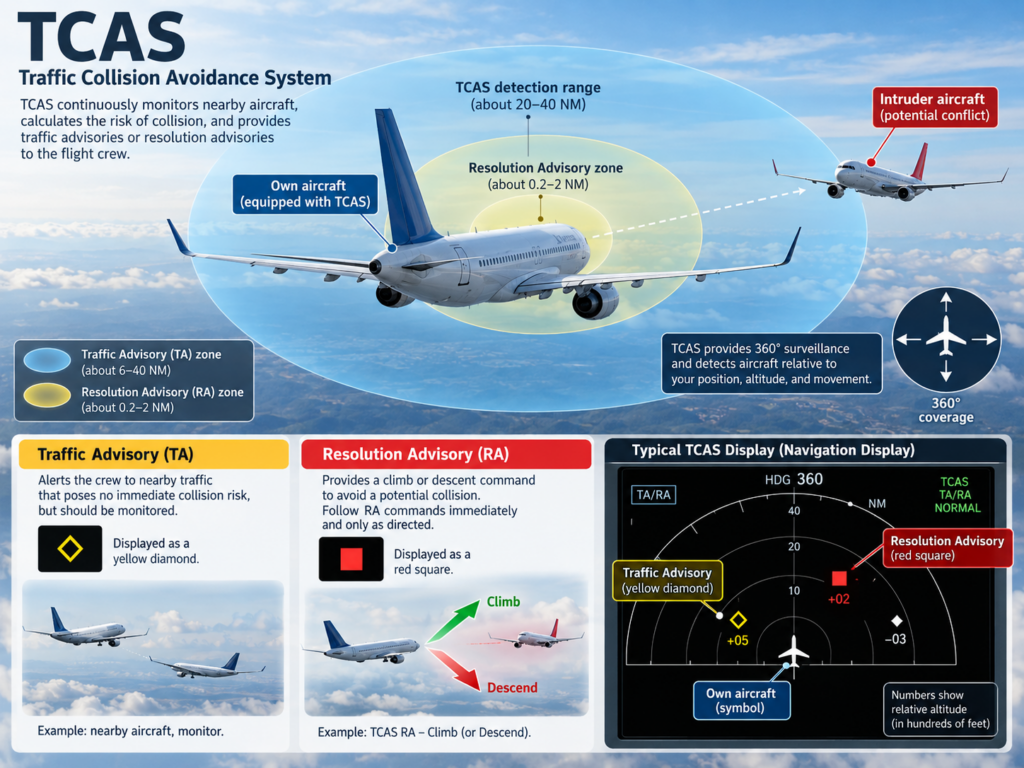
Aircraft Surveillance In Part 1 of our surveillance series, we looked into why classic Mode S transport aircraft do not broadcast their own GPS coordinates, and how ground networks rely on multilateration (MLAT) to figure out where they are. That brings up a natural question for avionics engineers, technicians, and flight crews alike: If an […]
How the Airbus H135 Main Transmission Works
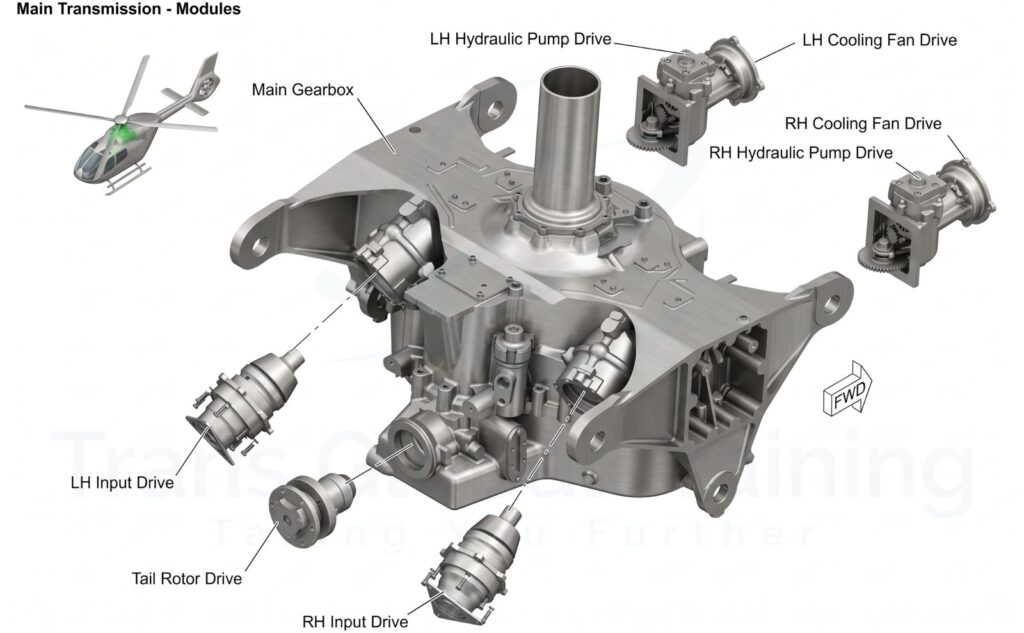
Two engines, one main rotor, one Fenestron, hydraulic pumps and oil-cooling fans all need mechanical power. Sitting at the centre of this arrangement is one of the most important components on the H135: the main transmission. It does considerably more than simply reduce engine speed. The main rotor drive transmits power from both engines to […]
Inside the Airbus H135 Bearingless Main Rotor
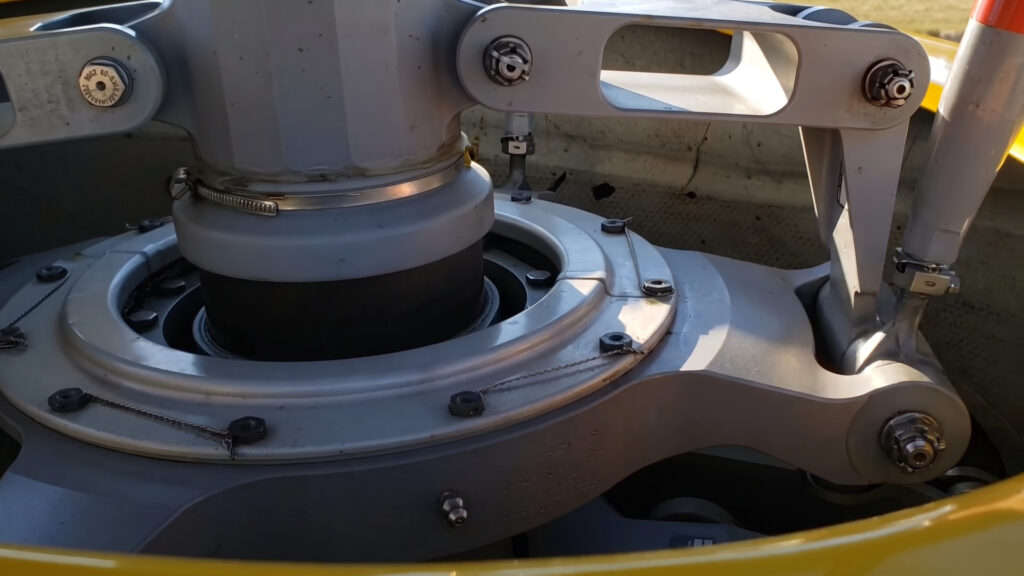
Look at the rotor head of many conventional helicopters and you will find a complex collection of hinges, bearings and mechanical joints that allow each rotor blade to move as it rotates. Look at an Airbus H135 and the arrangement is strikingly different. The H135 uses a four-bladed, bearingless and hingeless main rotor system. Instead […]
How the Airbus H135 Fenestron Works
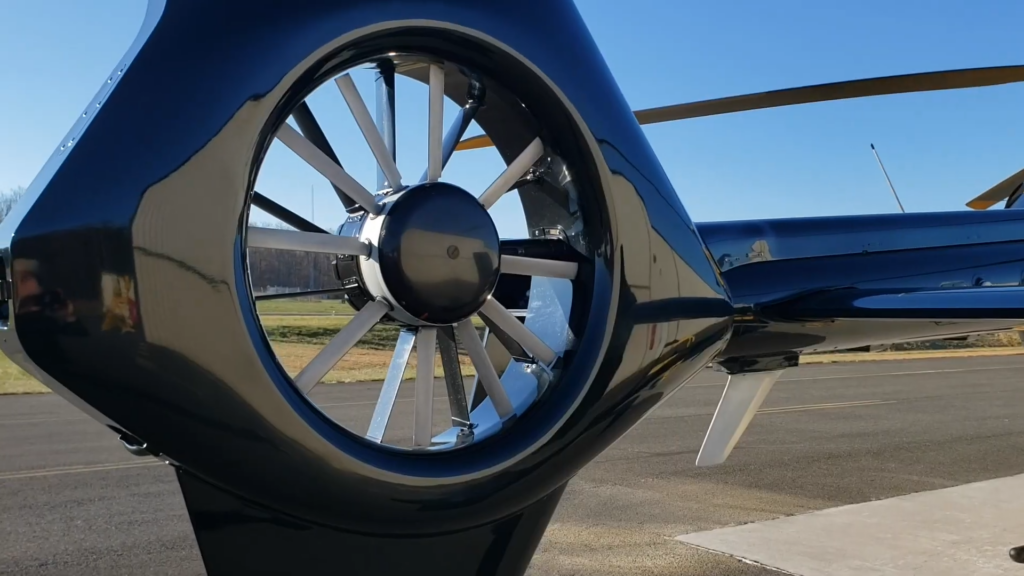
From an Exposed Tail Rotor to the Fenestron A helicopter’s main rotor produces torque that tends to rotate the fuselage in the opposite direction. On a conventional helicopter, a tail rotor mounted at the end of the tail boom produces the lateral thrust required to counteract this torque and provides control about the yaw axis. […]
Transponders, Surveillance Evolution, and Understanding Flight Tracking Discrepancies
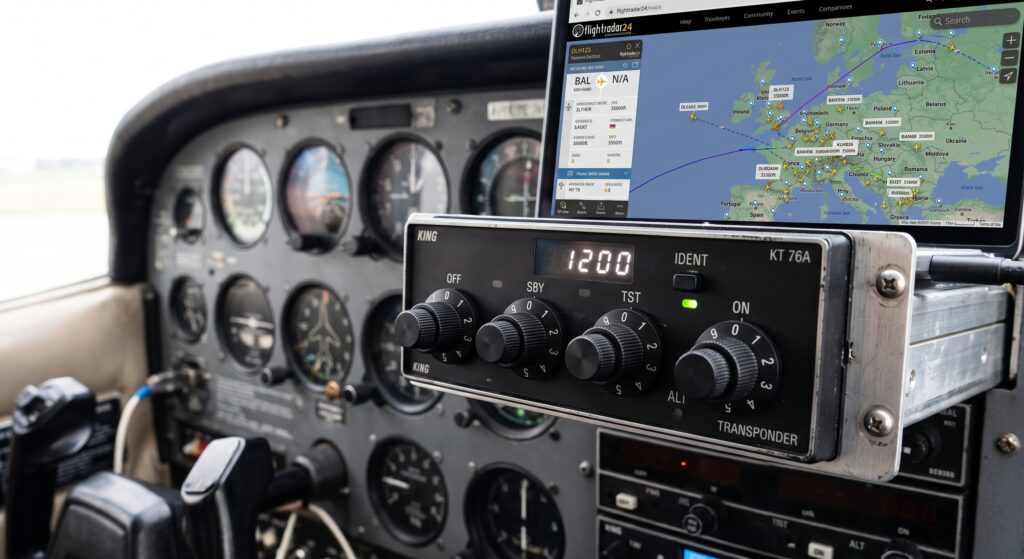
By Trans Global Training Ever reviewed a flight playback on Flightradar24 and seen an aircraft take off into thin air, track parallel to the runway through farm fields, jump in sharp 90-degree steps, or abruptly vanish on short final into a coastal airfield? When flight crews or operations report these anomalies, the immediate question directed […]
Airbus H135: From the Bo 108 to a Modern Light Twin Helicopter
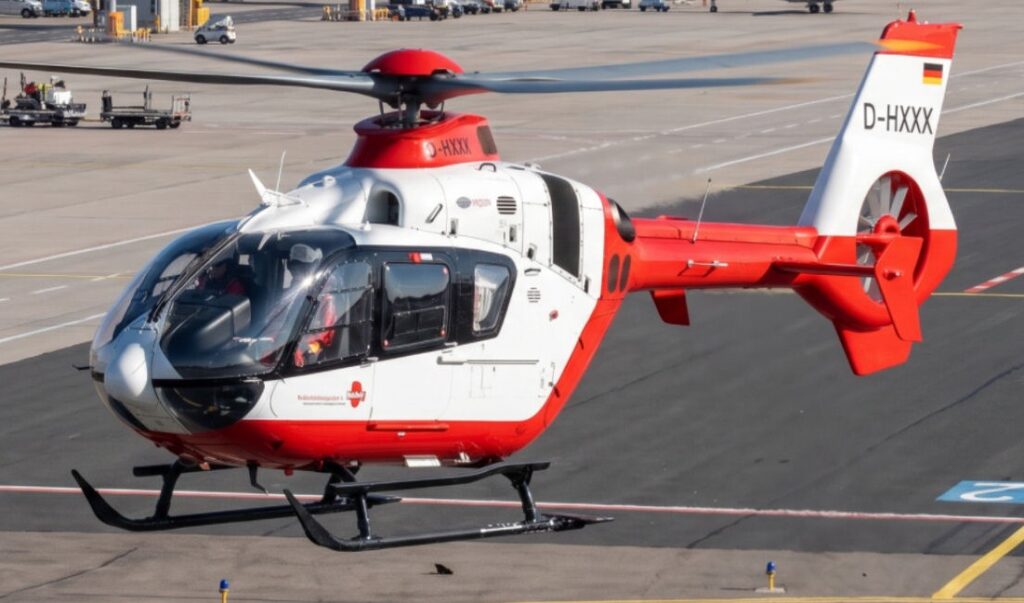
The Airbus H135 can trace its origins back through several decades of German helicopter development. Long before the H135 name appeared, Bölkow and later MBB were developing rotor technology that would eventually influence the aircraft we know today. An important predecessor was the Bo 105, a twin-engine multipurpose helicopter introduced during the 1960s. After around […]
Airbus A220 Inertial Reference System: Ensuring Attitude, Heading, and Position Accuracy

IRS Modern flight operations demand precise and reliable navigation data, and the Airbus A220 Inertial Reference System (IRS) is a pivotal component in meeting that need. By using three independent Inertial Reference Units (IRUs), each with advanced alignment modes and power redundancies, the A220’s IRS delivers continuous, high-integrity attitude, heading, and positional information—even in the […]
Airbus A220 Air Data System: Precision and Redundancy in Modern Flight

Accurate air data forms the backbone of safe and efficient flight operations. The Airbus A220 Air Data System represents a major leap forward in how jets collect, process, and distribute critical flight information like airspeed, altitude, and temperature. By pairing multiple Air Data Smart Probes (ADSPs) with supplementary sensors—like angle-of-attack vanes and total air temperature […]
The Autobrake and Antiskid System in the Boeing 747-400: Stopping the Jumbo Safely

Bringing a widebody aircraft to a stop is one of the most demanding phases of flight. At landing weights that can exceed 300 tonnes, the energy absorbed by the braking system is enormous. The Autobrake and Antiskid System in the Boeing 747-400 is designed to manage that energy precisely, automatically, and safely—whether during a routine […]
Illuminating Safety: The Airbus A220 Emergency Lights System

In aviation, reliable emergency lighting is crucial for guiding passengers and crew through safe evacuation under low-visibility conditions. The Airbus A220 emergency lights exemplify how modern jets integrate advanced power supplies, robust distribution, and straightforward cockpit and cabin controls to ensure swift and effective illumination in a crisis. From overhead aisle lighting to exterior lights […]
The ATR Ice Protection System: Protecting Performance in Icing Conditions
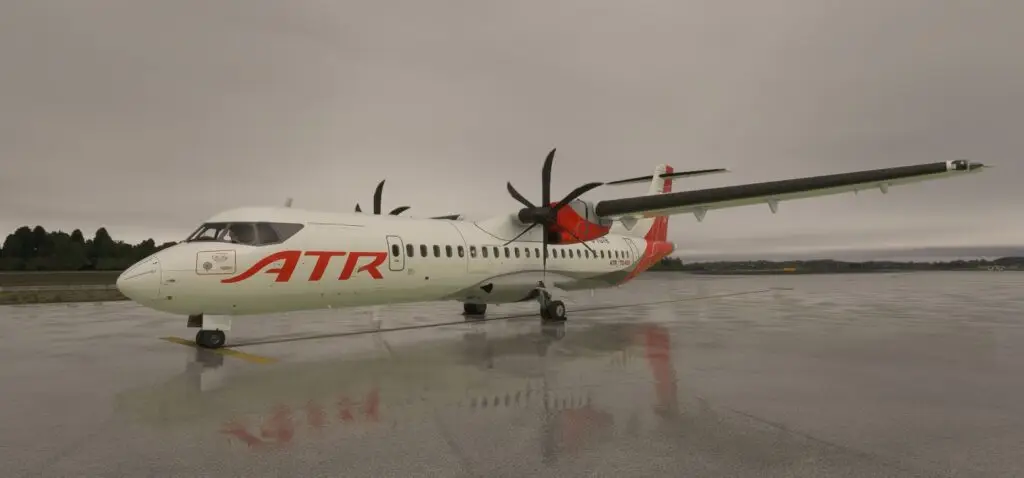
From Heated Wings to Pneumatic Boots: The Evolution of Ice Protection Icing has challenged aviation since the earliest days of flight. Early aircraft relied on heated leading edges or even manual scraping on the ground. As aircraft performance increased and flights climbed into known icing conditions, more reliable airborne protection became essential. The ATR Ice […]
Secure and Safe: The Airbus A220 Cargo Smoke Detection System
When it comes to modern aircraft, safety extends well beyond the passenger cabin. Cargo compartments, which can carry checked luggage, freight, and special consignments, demand the same level of vigilance against potential fire hazards. The Airbus A220 cargo smoke detection system exemplifies how advanced sensors and logical redundancy safeguard these critical lower-deck spaces, providing timely […]
The ATR Windshield and Probe Heating System: Protecting Vision and Data Integrity

The Evolution of Sensor and Windshield Protection Early aircraft suffered from iced-over windshields and frozen pitot tubes, leading to unreliable airspeed indications and reduced visibility. Several historical accidents were traced to blocked probes and frozen static systems. The ATR Windshield and Probe Heating System reflects decades of refinement in protecting both pilot visibility and critical […]
The Hydraulic Power System in the Boeing 747-400: The Muscle Behind the Jumbo Jet

Modern widebody aircraft are often described as flying cities, packed with complex systems that must work flawlessly at 35,000 feet. Among the most essential of these is hydraulic power. The Hydraulic Power System in the Boeing 747-400 provides the immense physical force required to move flight control surfaces, extend landing gear, operate brakes, and support […]
The Evolution and Significance of Airbus A220 VHF Communication

Effective communication remains the backbone of aviation safety and efficiency—connecting flight crews with air traffic control (ATC), other aircraft, and ground services. From the earliest days of scratchy Morse code signals to the broad-spectrum, data-capable radios of today, Very High Frequency (VHF) systems have continuously advanced to meet the needs of modern air travel. The […]
A Deep Dive into the Airbus A220 Engine Fire Extinguishing System
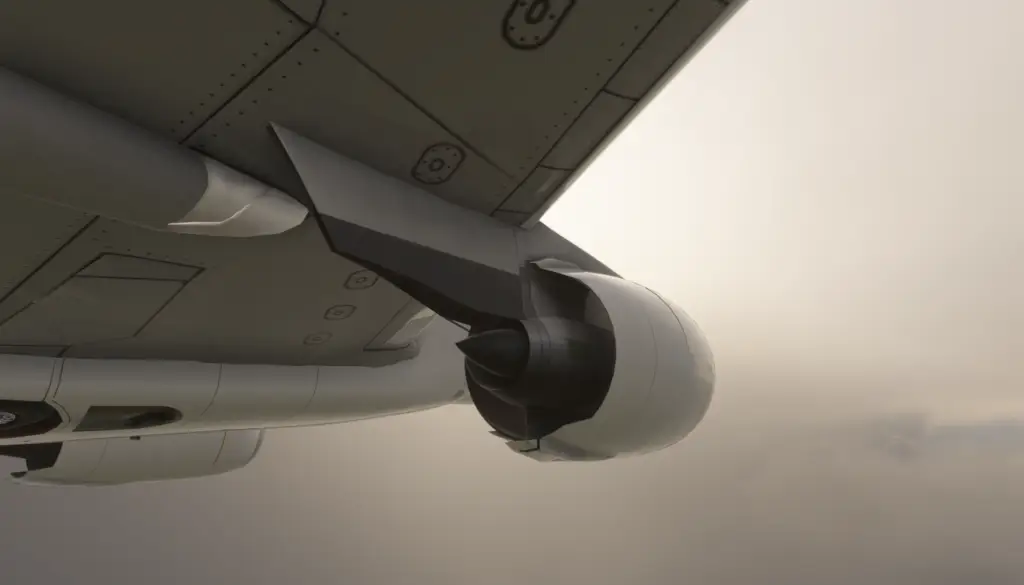
Fire safety is a paramount concern in aviation, and nowhere is it more critical than within an aircraft’s engine compartments. The Airbus A220 engine fire extinguishing arrangement showcases a modern, carefully engineered approach to mitigating fire risk. By using dedicated fire bottles, high-speed detection, and well-placed nozzles, the system can swiftly suppress potential engine fires—giving […]
The SATCOM System in the Boeing 747-400: Connecting the Jumbo Jet Beyond the Horizon

For much of aviation history, communication was limited by geography. Early aircraft relied on short-range radio systems that worked only when ground stations were within reach. As commercial air travel expanded across oceans and remote regions, the industry faced a challenge that could not be solved by conventional radio alone: how could an aircraft remain […]
Embraer E170/E190 Temperature Control System: Optimising Cabin Comfort

A comfortable cabin environment significantly enhances passenger satisfaction and crew efficiency during flight. The Embraer E170/E190 Temperature Control System is precisely engineered to maintain ideal conditions in both the cockpit and passenger cabin, ensuring consistent comfort throughout every flight phase. By integrating dual-zone temperature controls, sophisticated sensors, and automated modulation valves, the system reliably delivers […]
The ACARS System in the Boeing 747-400: Digital Messaging Before the Internet Age
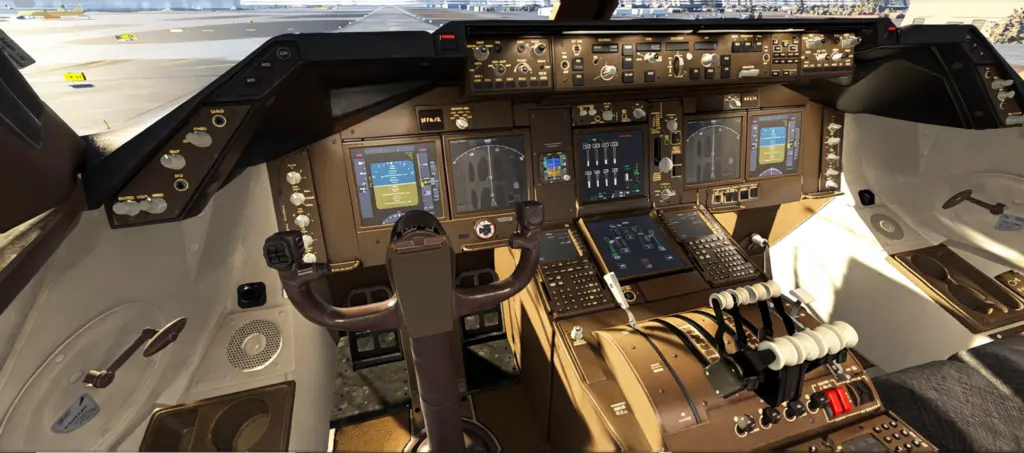
Before broadband connectivity and real-time aircraft tracking became normal, airlines were already sending digital messages between aircraft and ground stations. Long before passengers had Wi-Fi, the flight deck was quietly exchanging operational data across the globe. The ACARS System in the Boeing 747-400 represents one of the most important steps in aviation’s transition from voice-only […]